Best Hosted Video API for Agents in 2026, Ranked by What They Hand Back
Agents can render footage faster than anyone can watch it. The hosted video API you pick decides whether your editor gets a sequence or a folder of loose clips.
Agent-built video breaks in the same place every time. The model returns a beautiful four second clip, and nobody knows what to do with it. No timeline, no caption pass, no brand kit, no way to trim the last eleven frames where the hand glitches.
This ranking uses one criterion: how little cleanup an agent leaves behind before a human can art-direct the result on a timeline. Model quality matters, but a gorgeous clip arriving as a signed URL with no shot metadata is still a chore. Checked August 2026.
The list at a glance
- Wireflow. Best for routing many video models behind one call and getting shots back already joined.
- fal. Best for durable async queues when you are running open models at volume.
- Replicate. Best for pinned model versions and renders you need to reproduce next quarter.
- Runway API. Best for directed camera moves and reference-locked characters.
- Shotstack. Best for programmatic timeline assembly from JSON.
- Creatomate. Best for template-driven variant batches off one master design.
- Mux. Best for hosting, encoding, and delivering the finished render.
Quick answer:
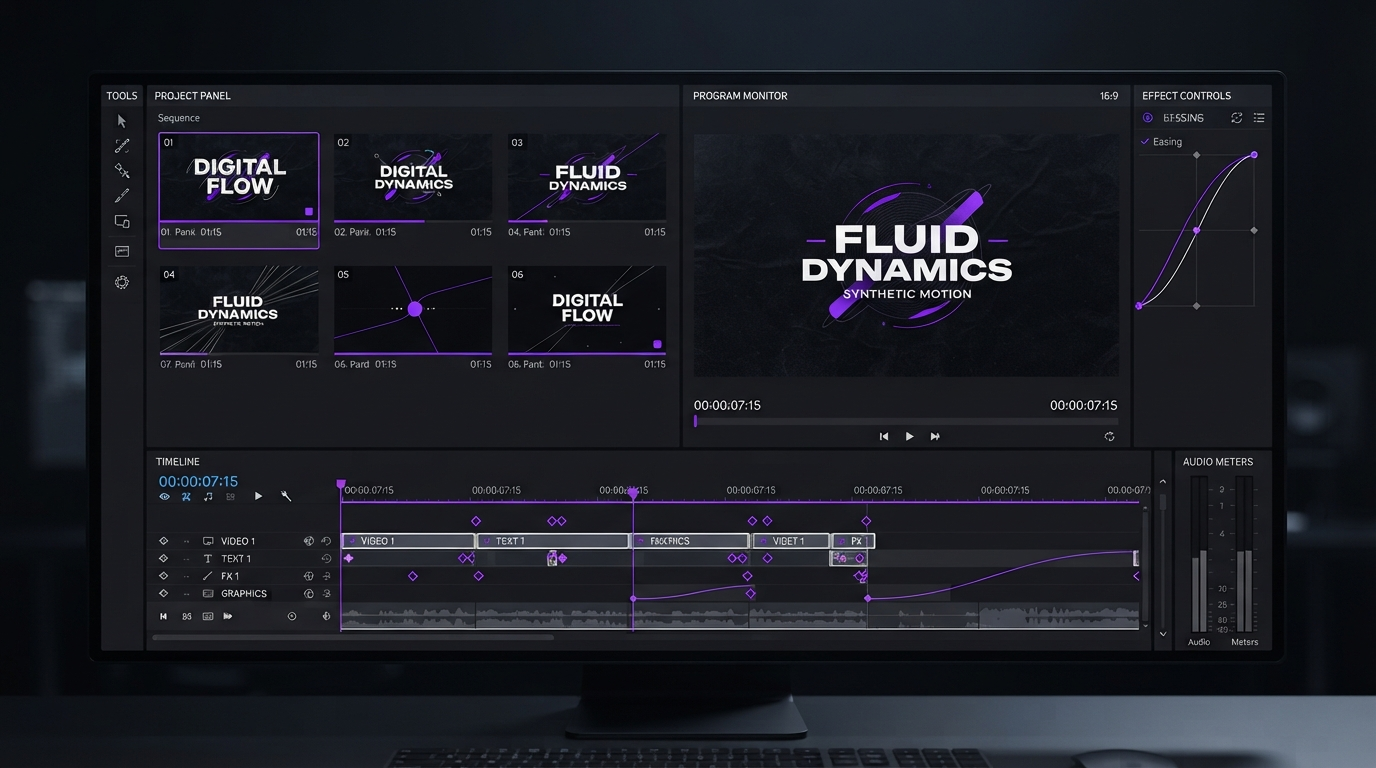
- Generation APIs and assembly APIs are two different products. Agents that only call a generation API produce loose clips, not edits, and a person still opens a timeline afterwards.
- Every credible option in 2026 is asynchronous. You submit, get a job id back in under a second, and collect the output by polling or webhook. Design the agent loop around that, not a blocking call.
- Pick for output shape before model quality. A response carrying duration, shot order, and stable file naming saves more editing hours than one extra point of realism.
What agents actually need from a video API
An agent is a bad customer for a normal video product. It cannot look at a preview and decide the pacing feels off. It needs predictable JSON, a cost it can estimate before spending, and a failure it can retry without producing two charges. Four things separate an API that works inside an agent loop from one that only works in a demo:
- A job id that survives a crash. If your worker dies at minute three of a six minute render, you should be able to reconnect to the job, not pay for it twice.
- Schema-stable output. The same request shape returns the same field names next month. Agents parse; they do not improvise.
- Preflight cost. A number you can check before the call, so a runaway loop stops at a budget, not a card decline.
- Something more than a file. Duration, frame rate, and shot boundaries in the response are the difference between an edit you can assemble and a folder you open one clip at a time. With those, merging the clips into one sequence stops being manual.
1. Wireflow
Wireflow is a visual canvas that publishes as a REST endpoint. You build the chain once by dragging nodes (prompt in, model, upscale, join), then call the published graph with a single POST. Routing lives in the graph, so switching from Kling to Veo 3.1 on one branch is a canvas change, not a code change.
It ranks first here on output shape. A multi-shot graph returns the shots in sequence, already concatenated, rather than seven unrelated URLs your editor reorders by timestamp. For anyone assembling social cutdowns or product demo videos at volume, that ordering is most of the work.
Verdict: best overall when your agent needs many models but you only want to maintain one endpoint.
2. fal
fal runs a large catalog of open and partner video models behind a queue built for load. Submit, get a request id, then subscribe over server-sent events or poll. It is what most teams reach for once job count passes a few hundred a day and per-call latency stops being the interesting number.
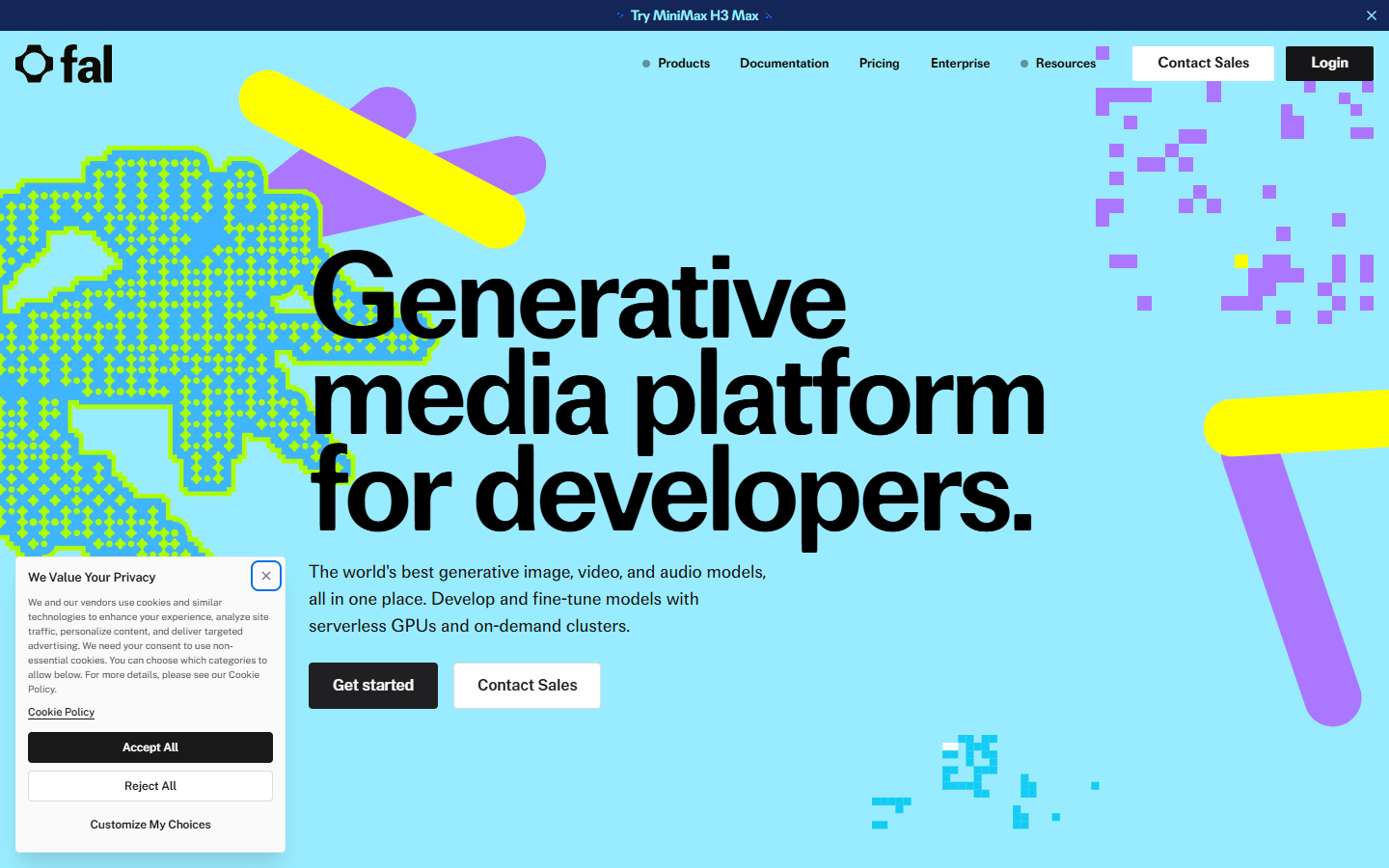
What you get back is a clip and metadata, nothing more. No assembly layer, so joining, trimming, and captions stay yours. Fine if you already own an editor, a gap if you hoped the API would hand you a cut.
Verdict: best for durable async queues at volume, weakest on anything past the render.
3. Replicate
Replicate's distinguishing feature for production work is version pinning. Every model has an immutable version hash, so the render you approved in March produces the same output in November. If you have ever had a client ask why the new batch of ads looks different from the approved one, you already understand why that matters.
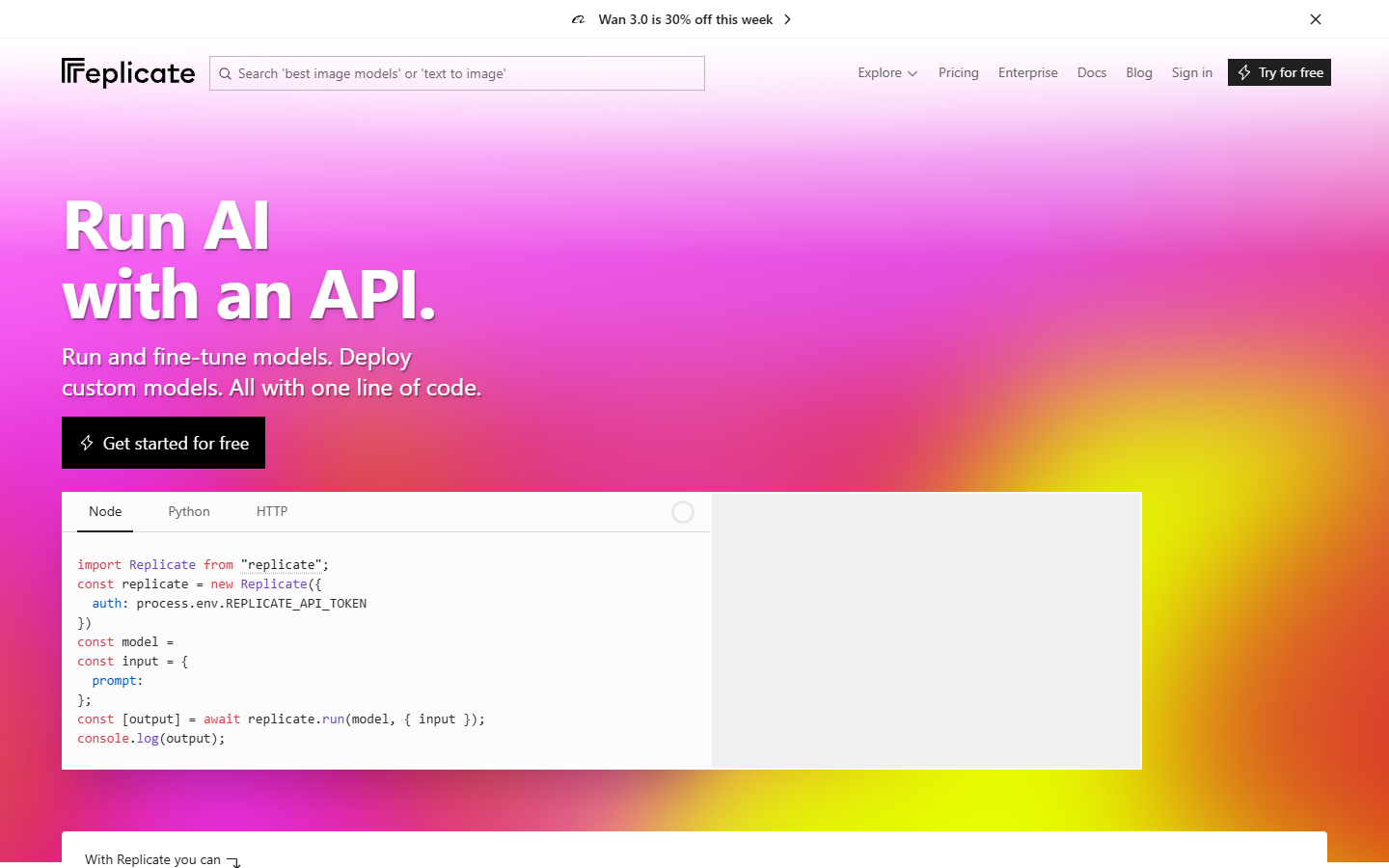
Cold starts are the tradeoff. A model nobody has called recently can take a minute to boot, invisible in a batch job and painful in anything interactive.
Verdict: best when reproducibility beats latency.
4. Runway API
Runway sells direction, not just generation. Its API exposes camera motion parameters and reference images that hold a character or a product across shots, which is the difference between four clips and four shots of the same scene. For narrative work and B-roll you actually plan, that control is worth the higher per-second cost.
It is single-vendor. You are buying Runway models, not a router, so a second provider means a second integration.
Verdict: best for directed camera moves and reference-locked characters.
The four calls a real agent video pipeline makes
Everything above generates. Everything below assembles and delivers. An agent pipeline is four calls, and knowing which is which stops you buying the wrong tool twice.
- Plan. Your language model turns the brief into a shot list: how many shots, what happens in each, how long each runs. Text is cheap, so review it before anything renders.
- Route and render. Each shot goes to whichever model suits it, image-to-video for the product beats, text-to-video for the establishing shot. Rather than writing a branch per provider in the agent, we point this step at Wireflow's hosted video API and let the published graph decide, so adding a model later never touches agent code.
- Assemble. The rendered shots become a sequence with transitions, captions, and a brand kit. This is where a timeline tool earns its place, because these are taste decisions.
- Deliver. The finished render gets encoded, stored, and streamed at a URL that works on a phone.
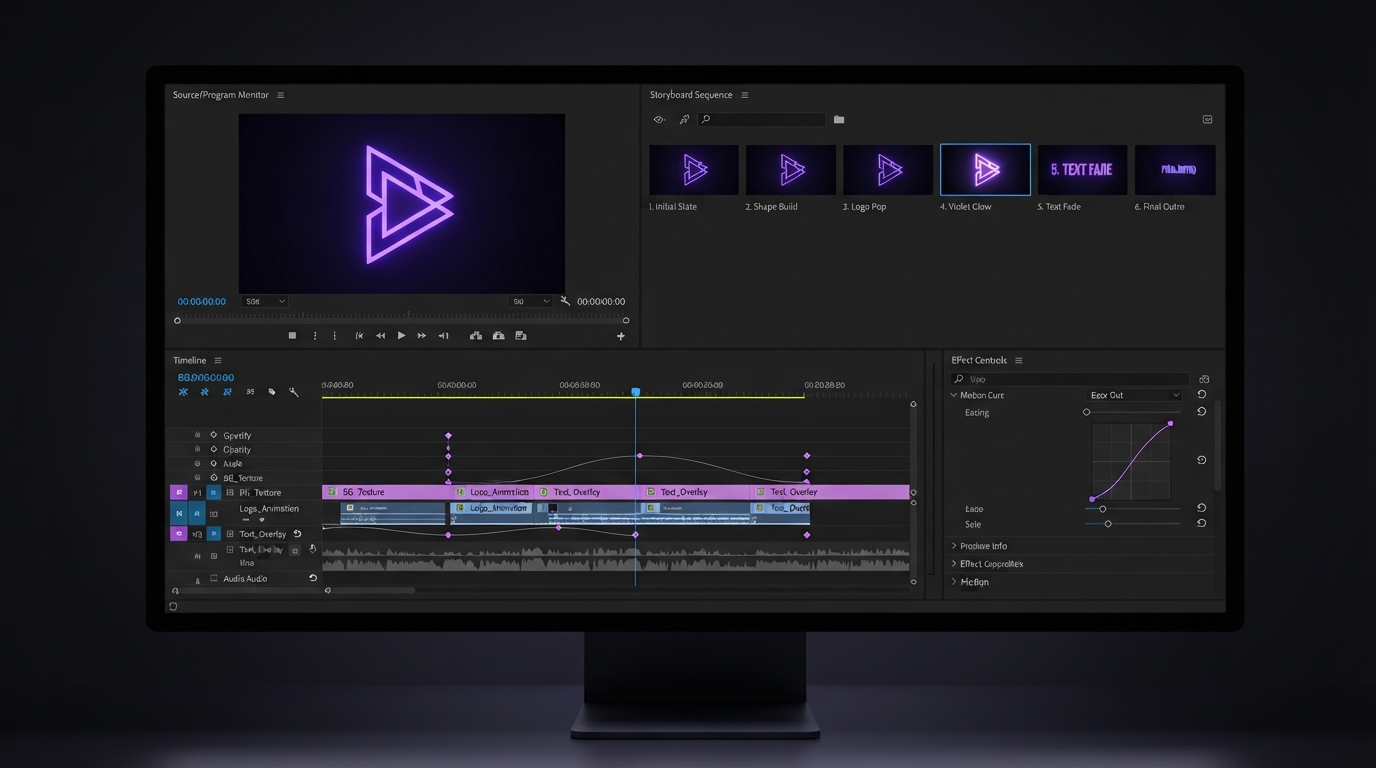
Steps one, two, and four automate cleanly. Step three is the one people try to automate and regret. Keep a human in the collaborative editing pass and the whole pipeline gets more trustworthy, not less.
Here is the whole loop on screen. Claude Code calls the Wireflow public API, assembles a product photo ad workflow, and leaves forty finished ads waiting the next morning.
5. Shotstack
Shotstack is a video editing API. You POST a JSON edit description (tracks, clips, in and out points, titles, transitions) and it renders an MP4. It is the closest thing to a timeline that speaks JSON, a natural target for an agent that just produced a shot list.
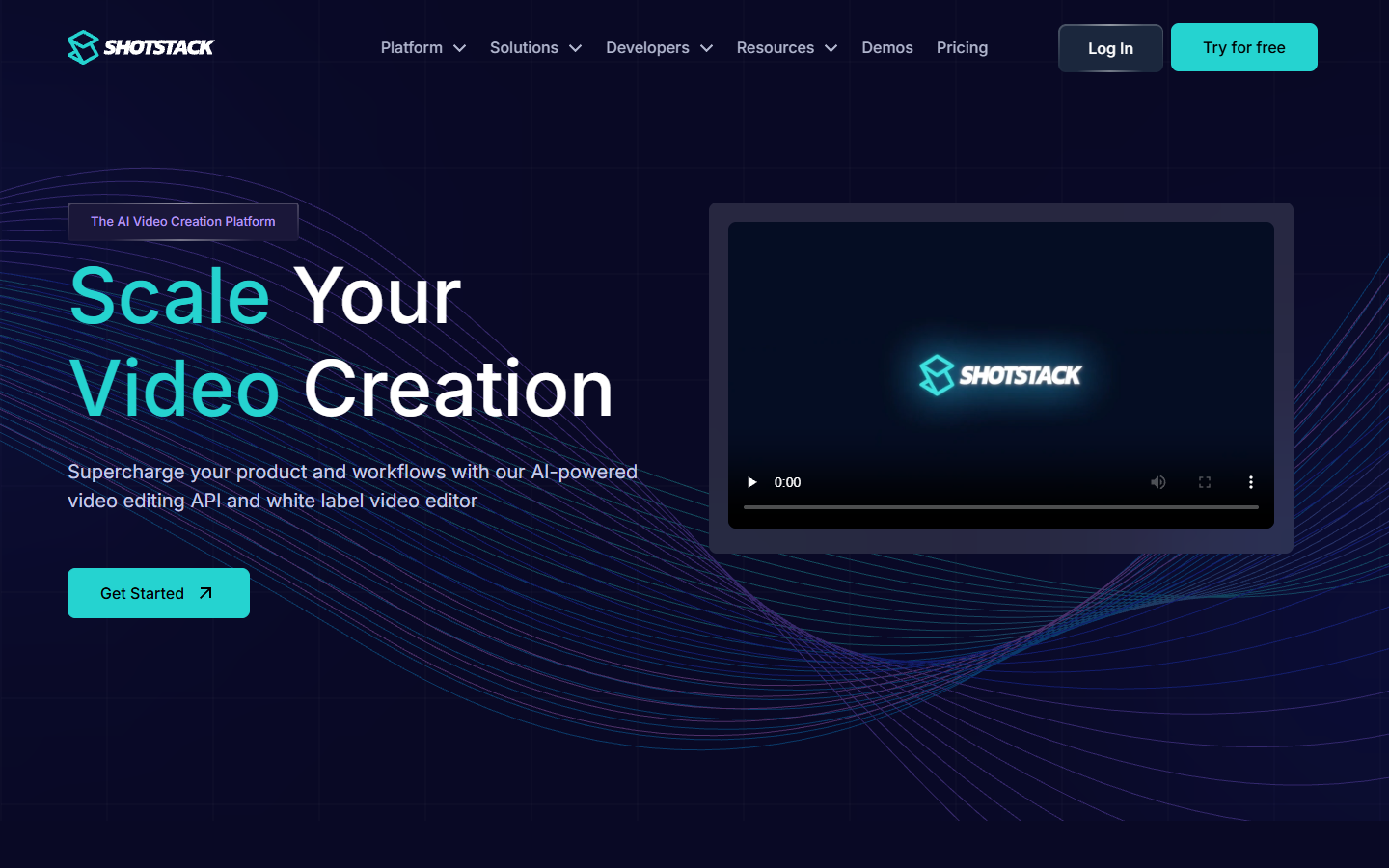
The limit is the one every headless editor has. When the output is nearly right, you are editing JSON coordinates instead of dragging a keyframe, and small taste corrections cost more than they should.
Verdict: best for programmatic assembly when the edit is repeatable and the taste calls are already made.
6. Creatomate
Creatomate starts from a template you design once, then swaps text, images, and clips per render. For an agent producing thirty variants of the same ad with different hooks, that is exactly the right shape: one design decision, thirty API calls, consistent output.
It is not built for edits that differ structurally. Once variant twelve needs an extra scene, you are designing a second template. Pair it with a speed adjustment pass when platform cuts need different pacing from the master.
Verdict: best for template-driven variant batches.
7. Mux
Mux is infrastructure, not generation. Upload, encode, adaptive bitrate streaming, thumbnails, and playback analytics behind a clean REST API, plus an MCP server so an agent can operate the stack directly. Nothing here makes a video. Everything here makes the finished video load fast on a phone.
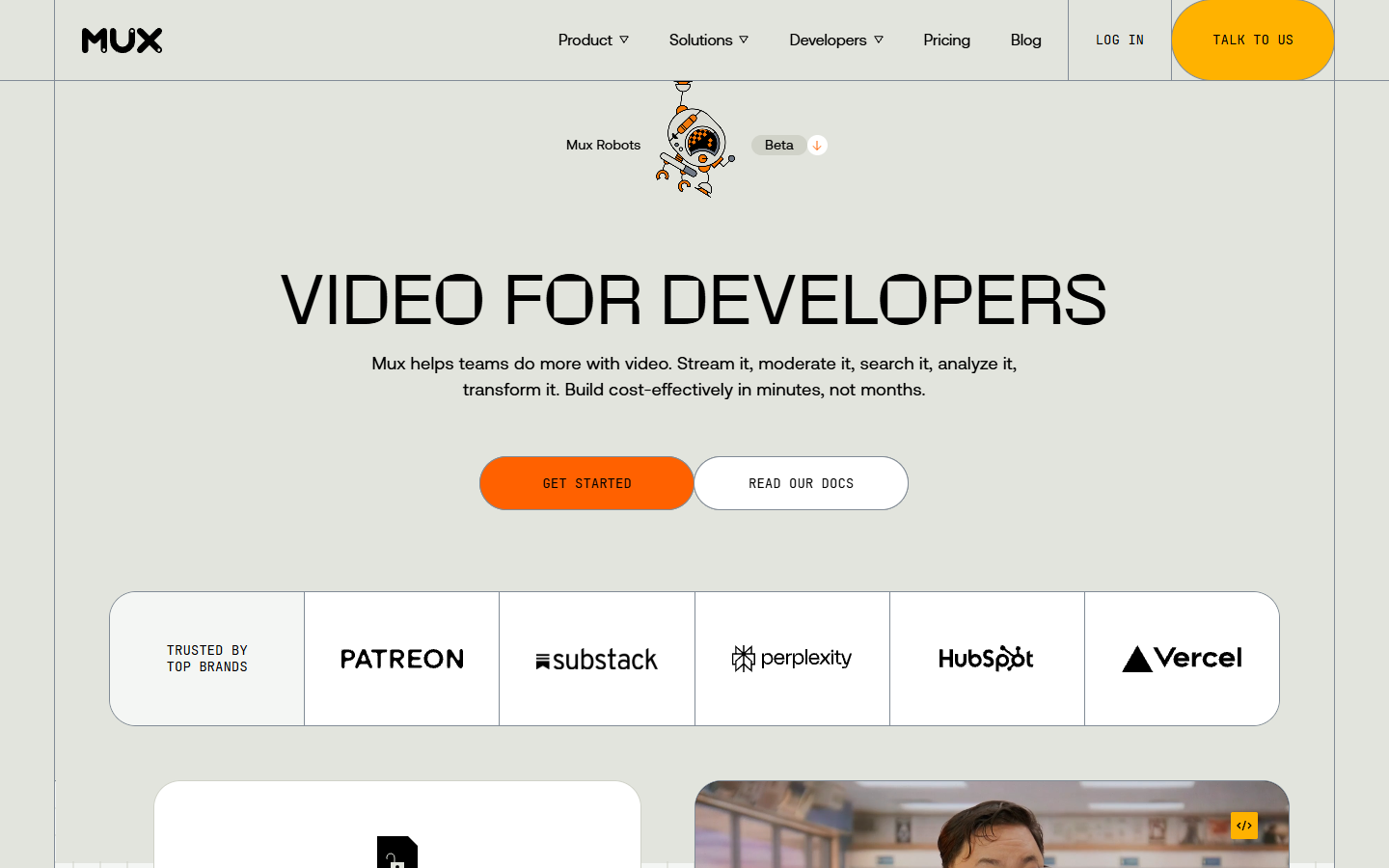
Most teams reach this stage last, usually right after a client watches a 200MB MP4 buffer on mobile.
Verdict: best for hosting and delivering what the rest of the pipeline produced.
What this costs and where it stalls
Generation is priced per second of output, roughly five to fifty cents per second in 2026 depending on model and resolution. A ten shot, five second-per-shot sequence is a few dollars of render before a single edit decision gets made. Two habits keep that sane: review the shot list first, and render drafts at low resolution until the cut is locked.
The stall is almost never the API. It is the review loop. Agents produce more footage than anyone can watch, so the bottleneck becomes a human scrubbing clips. Review at the shot-list stage where the unit is a sentence, not a render, and add captions only after the cut is approved, since recaptioning a changed edit is pure rework.
Frequently asked questions
What is the difference between a video generation API and a video editing API?
A generation API turns a prompt or an image into new footage. An editing API assembles footage you already have into a finished render with transitions, titles, and audio. Agents need both, and most teams discover this after buying only the first.
Do I need webhooks, or is polling enough?
Polling is fine below a few hundred jobs a day and far simpler to debug. Move to webhooks when poll traffic costs more than the renders, or when jobs run long enough that the poll loop becomes its own reliability problem.
Can an agent produce a finished, publishable video without a human?
It can produce a complete file. Whether it is publishable depends on pacing, caption timing, and brand consistency, which are still human judgments. The realistic 2026 split is agents generating and assembling, a person doing the final pass.
Which API should I start with if I only pick one?
If your bottleneck is model access, start with a router so you are not rewriting integrations every time a better model ships. If it is assembly, start with an editing API and keep whatever generation you already have.
How do I stop an agent from burning budget on renders?
Cap shots per job, render drafts at low resolution, and require approval of the text shot list before any generation call fires. Preflight cost estimates, where offered, should gate the call rather than just log it.
Where to go next
The API matters less than where you draw the line between the machine and the person. Let the agent plan, route, render, and deliver. Keep the cut, the pacing, and the caption timing on a timeline you can actually touch. Pick whichever option above matches the half of that pipeline costing you the most hours, and wire the other half around it.
Founder of Motionbox and Gluely. Building tools for creators.